“Five decades of unaddressed mental health challenges, four decades in cybersecurity, and three decades of chronic stress that ended in spectacular and nearly devastating burnout.
And I credit my hacker mindset with helping me fix all of it.”
An Original Hacker
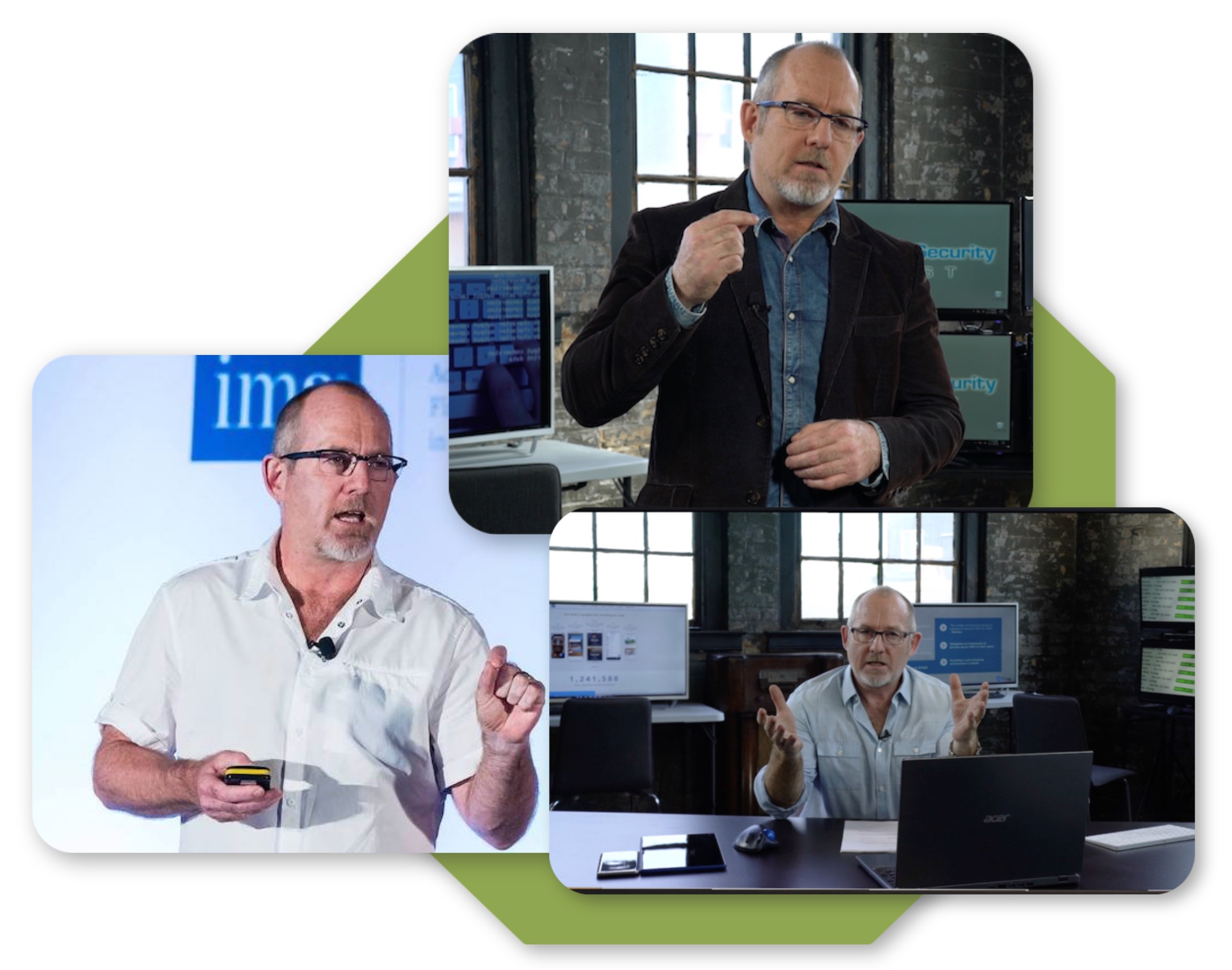
Neal O’Farrell is an original hacker. In the late 1980s, while still in his 20s, he was approached by Ireland’s military intelligence to hack something. The something was the STU III, the NSA’s recently launched Secure Telephone Unit, Third Generation, and regarded as the most secure, secure telephone in the world.
He wasn’t asked to crack any codes but instead learn everything he could about the phone with a view to making it better, cheaper, and more secure. And something Europe be more comfortable using.
Bringing together a young team from local universities, within 18 months they’d cracked the challenge, developed the new “world’s most secure, secure telephone, and dethroned the NSA. The project was called Intrepid and the phone was called Milcode.
But the celebrations were very short lived. Neal’s success didn’t go down well with the NSA and its partners and gave Neal his first taste of real stress.
The Hacker Mindset
After decades of struggling with a variety of mental illnesses, compounded by chronic stress, that nearly cost him his life, Neal decided it was time to hack his own brain.
To use the skills and mindset he’d developed over decades to try to decode his own brain. His goal was to just better understand why he was the way he was and what if anything he could do about it.
The result of his research is the Brainisphere. 15 science-supported strategies, habits, and values that not only have the capacity to significantly improve brain and mental health, but can improve every part of your life.
He also used that research to create the PsyberResilience project to help address the mental health and chronic stress problems experienced by cybersecurity professionals, the world’s digital first responders.
That project led to Hacking Stress and how to use the hacker mindset as a way to more easily view, understand, and manage stress in any role.
He authored a proposal for the UNDRR, the United Nation’s agency for disaster risk reduction, focused on incorporating emotional and psychological resilience into disaster recover planning and especially in the face of climate change.
He created a mental health action cluster as part of the National Institute for Standards and Technology (NIST) Global City Teams Challenge to explore how future smart cities could sync with and improve the brain and mental health of their residents.
And in partnership with Northern Kentucky University he was the first expert to introduce stress management training to students completing cybersecurity degree programs.
If you’re interested, you can read his full security bio here.
If you’re interested in having Neal share his experience and talk with your employees or any other audience, or learn more about the Brainisphere concept, he’d love to hear from you.


“Neal received our Highest 2019 Attendee Satisfaction Survey Results. 95% Overall Value and 93% Education Value. Huge!” The Silicon Valley Business Travel Association
“I’m just very lucky to have attended your lecture. Usually, thought-leaders don’t share what they are going through and we think they have no stress and have it all figured out. However, after attending your lecture and listening to your story I was able to relate and that relieved so much stress and unnecessary thoughts I was burdening myself with.”
“Neal has again hit it out of the park by making the mental health topic personable with his storytelling skills. His dry humor also helps! “DAM”, Dismiss, Accept, Manage will definitely help me cope when I feel overwhelmed next time. Thank you Neal.”
“What a much-needed self-improvement session. The content covered all aspects in improving difficulties in your life including stress management. “
“The “DAM” piece (Dismiss, Accept, Manage) related to stressors was highly useful. And always remember to BREATHE!”
“Only complaint was that the one-hour session was too short. Highly recommend!”
How to Incorporate “Psyber Resilience” into Your Security Strategy, with CaseIQ
Get A Grip! Taming the emotional chaos in a disrupted world, with Silicon Valley GBTA
Mental Health as a Security Vulnerability – Neal O’Farrell on the Importance of Stress Management, with GovInfosecurity
Cybersecurity Burnout and Mental Health, with Security World